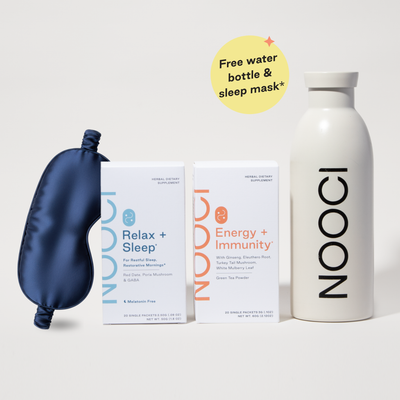
Free shipping on orders over US$75

Take the Quiz Account
About Us Ingredients Science Impact Noo Journal
Trusted by 2,400+ women discovering their constitution

Stop guessing. Start understanding your body.

Take our free 3-minute wellness quiz based on Traditional Chinese Medicine to understand your body's unique needs and unlock personalized wellness insights.

Only 3 minutes · Free forever · 847 people discovered their constitution this week

As seen in
The 9 types

Which one are you?

TCM recognizes nine distinct body constitutions. Each reveals unique patterns — and each needs a different approach to food, sleep, stress, and supplementation.

Discover your type

3 minutes · Free · No email required

Body constitution

Balanced

Radiant, energetic, well-balanced

Overview

The Balanced Constitution represents the ideal state of health in Traditional Chinese Medicine. Qi, blood, Yin, and Yang are in harmony — producing strong immunity, steady energy, clear skin, and emotional stability. It is the benchmark every other constitution aims to return to.

Key characteristics

  • Strong immune system — rarely gets sick
  • Energetic and resilient through the day
  • Stable emotions and positive outlook
  • Good sleep quality and regular patterns
  • Healthy appetite, efficient digestion
  • Clear skin with a natural glow
  • Well-proportioned body composition
  • Adapts easily to environmental changes

Symptoms & common causes

Symptoms

Generally symptom-freeQuick recovery from minor illnessMinimal sensitivity to weatherBalanced body temperature

Common causes

Genetic predisposition to healthBalanced lifestyle from early ageGood nutrition and regular exerciseEffective stress managementAdequate rest and recovery

Dietary recommendations

Beneficial foods

Variety of whole foods across all groups. Seasonal fruits and vegetables. Whole grains (brown rice, quinoa, oats). Lean proteins (fish, poultry, legumes). Moderate healthy fats. Herbal teas and water.

Foods to limit

Excess of any single food group. Highly processed foods. Excess alcohol or caffeine. Overeating or irregular meal times.

Lifestyle tips

  • Regular mixed-modality exercise (cardio + strength)
  • Stress-reduction practice: meditation or yoga
  • Consistent 7–9 hour sleep schedule
  • Regular time outdoors
  • Positive social relationships
  • Preventive health check-ups
  • Moderation across all activities
  • Ongoing mental engagement (learning, hobbies)

TCM perspective

Harmonious flow of Qi and blood through every meridian, balanced Yin and Yang, and strong organ function. The goal of TCM treatment for every other constitution is to return to this natural state of balance.

Discover your constitution

Take our free 3-minute quiz to find out your body constitution.

Body constitution

Qi Deficiency

Tired easily, breathless, weak

Overview

Qi Deficiency means the body’s vital energy is low. People with this constitution feel tired easily, get winded going upstairs, and often have a soft voice and pale complexion. The engine is running, but on low fuel.

Key characteristics

  • Low energy, tires easily
  • Shortness of breath, reluctant to speak
  • Sweats easily, even without exertion
  • Soft, weak voice
  • Pale tongue with thin white coating
  • Catches colds frequently
  • Poor appetite, feels full quickly
  • Soft or loose stools

Symptoms & common causes

Symptoms

Chronic fatigueFrequent coldsLow staminaSpontaneous sweatingBrain fogDizziness when standing

Common causes

Chronic overwork or burnoutInsufficient sleep over long periodsSkipping meals or poor nutritionGenetic / family patternPostpartum or post-illness recoveryExcessive mental strain

Dietary recommendations

Beneficial foods

Warm, cooked, easily digestible foods. Sweet potato, pumpkin, oats, brown rice, millet. Ginger, dates, goji berries, astragalus tea. Chicken, lamb, bone broth. Small frequent meals.

Foods to limit

Raw cold foods and iced drinks. Excess caffeine (depletes Qi further). Refined sugar and processed snacks. Extreme calorie restriction.

Lifestyle tips

  • Prioritize 8+ hours of sleep nightly
  • Gentle movement — walking, qi gong, tai chi
  • Avoid over-exercising until energy rebuilds
  • Eat warm breakfast within an hour of waking
  • Brief afternoon rest if possible
  • Reduce decision fatigue where you can
  • Protect evenings for recovery
  • Consider acupuncture or adaptogens

TCM perspective

The Spleen and Lung systems govern Qi production. When they’re depleted — by overwork, poor diet, or chronic illness — vital energy drops. TCM rebuilds Qi through warming tonics, mindful rest, and foods that strengthen digestion.

Discover your constitution

Take our free 3-minute quiz to find out your body constitution.

Body constitution

Yang Deficiency

Cold limbs, low energy, pale

Overview

Yang Deficiency is when the body’s warming, activating energy is weak. You’re always cold, especially in hands, feet, and lower back. Low energy, slow metabolism, and a general feeling of being "dimmed down." The fire is low.

Key characteristics

  • Cold limbs, even in warm rooms
  • Aversion to cold, drawn to warmth
  • Pale complexion, puffy look
  • Low libido, low stamina
  • Loose stools, frequent urination
  • Lower back or knee ache
  • Tongue is pale, swollen, with tooth marks
  • Feels worse in winter

Symptoms & common causes

Symptoms

Always coldFatigueFluid retentionLow digestive fireCold-triggered painWeak immunity

Common causes

Chronic exposure to coldExcessive raw/cold food consumptionAging (Yang naturally declines)Long-term illnessOveruse of antibiotics or cooling medicationsInsufficient rest and recovery

Dietary recommendations

Beneficial foods

Warm, cooked foods. Ginger, cinnamon, cloves, black pepper. Lamb, beef, chicken, walnuts. Cooked root vegetables. Warming teas (ginger, cinnamon). Small amounts of quality aged spirits (cooked into food).

Foods to limit

Raw salads, smoothies, ice water, iced drinks. Cold fruits in winter (watermelon, banana, pear). Excess dairy. Bitter cold foods (crab, seaweed, mung beans).

Lifestyle tips

  • Keep lower back and feet warm — wear layers
  • Avoid walking barefoot on cold floors
  • Morning sun exposure when possible
  • Warming movement: qi gong, brisk walking
  • Hot footbaths before bed
  • Avoid cold showers
  • Sleep earlier (10pm) to preserve Yang
  • Moxibustion or acupuncture can help

TCM perspective

Yang is the warming, moving, transforming force. When the Kidney Yang is weak, the whole body feels cold and sluggish. TCM rebuilds Yang with warming herbs, heat therapies, and lifestyle changes that protect rather than drain the body’s fire.

Discover your constitution

Take our free 3-minute quiz to find out your body constitution.

Body constitution

Yin Deficiency

Hot flushes, dry skin, restless

Overview

Yin Deficiency is when the body’s cooling, moistening, grounding energy is depleted. You feel hot — especially afternoons, evenings, and nights. Dry skin, night sweats, restless sleep, and a mind that won’t slow down. The cooling system is running empty.

Key characteristics

  • Hot flushes, night sweats
  • Dry skin, dry mouth, dry eyes
  • Restless sleep, wake at 3 a.m.
  • Red cheeks or tongue, little coating
  • Thin build, hard to gain weight
  • Irritable in the afternoon
  • Constipation or hard stools
  • Worse with heat, better in cool
  • Feels worse in late summer / fall

Symptoms & common causes

Symptoms

Night sweatsInsomniaDry everything (skin, eyes, mouth)Hot palms and solesAfternoon flushesBrittle hair and nails

Common causes

Chronic stress and overworkNot enough sleep (especially before midnight)Excess spicy, hot, or fried foodsDehydration over long periodsMenopause or hormonal shiftsLong-term illness or feverExcessive sexual activity

Dietary recommendations

Beneficial foods

Cooling, moistening foods. Pear, apple, watermelon, cucumber. Tofu, black sesame, lily bulb, white wood ear. Duck, pork, eggs. Coconut water. Cooked grains (rice, barley).

Foods to limit

Spicy foods (chili, wasabi, excess pepper). Fried foods. Excess coffee and alcohol. Lamb, shrimp, and other strongly warming proteins. Red meat in excess.

Lifestyle tips

  • Sleep before 10:30pm to nourish Yin
  • Cool bedroom, breathable fabrics
  • Daily hydration with mineral-rich water
  • Meditation to settle the racing mind
  • Gentle yin yoga, avoid over-heating exercise
  • Avoid saunas and hot tubs
  • Reduce caffeine, especially afternoon
  • Consider Yin-nourishing herbs (lily, rehmannia)

TCM perspective

Yin is the cool, substantial, grounding counterpart to Yang. When Yin is depleted — often from chronic stress, late nights, or perimenopause — the body runs hot without true strength. TCM rebuilds Yin with moistening foods, earlier sleep, and herbs that nourish the body’s reservoir.

Discover your constitution

Take our free 3-minute quiz to find out your body constitution.

Body constitution

Blood Stasis

Poor circulation, bruising, pain

Overview

Blood Stasis is when circulation is impaired — blood doesn’t move the way it should. Symptoms tend to be fixed and sharp (rather than dull and moving): localized pain, bruising, dark spots, purple lips or tongue. Injuries, childbirth, and sedentary lifestyles are common triggers.

Key characteristics

  • Fixed, stabbing, or boring pain
  • Dark under-eye circles
  • Bruises easily, bruises slow to fade
  • Purple or dark tongue with spots
  • Dark menstrual blood with clots (if menstruating)
  • Varicose veins, spider veins
  • Dull or dark complexion
  • Rough or dry skin patches

Symptoms & common causes

Symptoms

Sharp fixed painEasy bruisingDark spots / age spotsHeavy or painful periodsPoor circulationCold extremities despite warm core

Common causes

Sedentary lifestyleInjuries, surgeries, accidentsProlonged Qi deficiencyCold invasion (exposure to cold)Emotional stagnation (unprocessed emotions)Post-childbirthLong-term inflammation

Dietary recommendations

Beneficial foods

Blood-moving foods. Turmeric, ginger, garlic, onion. Chives, leeks, rosemary. Black beans, black vinegar. Hawthorn berry, saffron (small amounts). Oily fish (salmon, mackerel).

Foods to limit

Excess cold food and iced drinks. Fried and greasy foods. Excess salt. Processed meats. Anything that thickens or slows the blood.

Lifestyle tips

  • Daily movement — walking, swimming, dance
  • Avoid sitting still for long stretches
  • Gentle stretching to open channels
  • Keep the body warm (cold constricts blood)
  • Massage, cupping, or gua sha
  • Emotional release — don’t bottle things up
  • Abdominal breathing
  • Consider herbs like salvia or peach kernel (with practitioner)

TCM perspective

Blood Stasis often comes from Qi deficiency (Qi moves the blood) or cold (cold congeals blood). TCM treats it by moving the Qi, warming the channels, and using blood-invigorating herbs. Acupuncture and moxibustion are particularly effective for this pattern.

Discover your constitution

Take our free 3-minute quiz to find out your body constitution.

Body constitution

Phlegm-Dampness

Heavy limbs, sluggish, sticky

Overview

Phlegm-Dampness is an excess of heavy, sticky, moist energy in the body. You feel heavy, sluggish, puffy. Weight is hard to lose, digestion is slow, and mornings can feel foggy. The body is holding what it should be moving.

Key characteristics

  • Heavy limbs, feels weighed down
  • Tends toward excess weight, especially belly
  • Puffy or swollen appearance
  • Sticky, thick tongue coating
  • Chest tightness or phlegmy throat
  • Loose stools, feels incomplete
  • Sluggish mornings, brain fog
  • Worse in damp weather

Symptoms & common causes

Symptoms

Chronic fatigueWater retentionMucus / congestionSluggish digestionBrain fogFeeling "stuck"

Common causes

Rich, greasy, or sweet dietExcess dairy consumptionSedentary lifestyleOvereatingWeak Spleen (digestive) functionDamp living environmentEmotional worry or overthinking

Dietary recommendations

Beneficial foods

Drying, warming, draining foods. Ginger, green onion, daikon. Barley, adzuki bean, job’s tears. Radish, mustard greens, kohlrabi. Ginger tea, tangerine peel tea. Small frequent meals.

Foods to limit

Dairy (especially cold). Refined sugar and sweets. Wheat in excess. Fried and greasy foods. Bananas, iced fruits. Excessive cold raw vegetables.

Lifestyle tips

  • Move daily — sweat is therapeutic
  • Avoid sitting for long stretches
  • Chew food thoroughly
  • Eat the biggest meal at midday
  • Avoid late-night eating
  • Dry brushing and sauna if tolerated
  • Keep living space dry and ventilated
  • Limit emotional rumination (worry creates damp)

TCM perspective

Phlegm-Dampness is rooted in a weak Spleen — the organ that transforms food and fluids. When it’s overwhelmed, fluids accumulate as dampness, then congeal as phlegm. TCM strengthens the Spleen and drains dampness through herbs, diet, and daily movement.

Discover your constitution

Take our free 3-minute quiz to find out your body constitution.

Body constitution

Damp-Heat

Oily skin, inflammation, sticky

Overview

Damp-Heat is dampness combined with heat — the worst of both worlds. Skin breaks out, digestion feels inflamed, and there’s often a bitter taste or yellow coating on the tongue. Stress, rich food, and humid climates all aggravate it.

Key characteristics

  • Oily skin, acne, especially on face and back
  • Bitter or sticky taste in the mouth
  • Yellow greasy tongue coating
  • Body odor stronger than usual
  • Yellow or dark urine
  • Loose stools with foul odor
  • Feels irritable and hot
  • Worse in summer and humid weather

Symptoms & common causes

Symptoms

Acne and skin inflammationDigestive burningUrinary tract sensitivityVaginal or groin dampnessJoint stiffness with heatHeavy head, hard to focus

Common causes

Rich, fried, or spicy dietExcess alcoholHumid, hot climateChronic stress + poor diet combinationSmokingSuppressed inflammation from medication overuseLingering infections

Dietary recommendations

Beneficial foods

Cooling and draining foods. Mung bean, green tea, chrysanthemum. Winter melon, cucumber, celery. Bitter greens (dandelion, arugula). Barley, adzuki bean, coix seed. Plenty of water.

Foods to limit

Alcohol (especially beer). Fried foods. Chocolate. Spicy hot foods. Lamb, shrimp. Sweet dairy. Processed sugar.

Lifestyle tips

  • Reduce alcohol significantly
  • Cool, dry, well-ventilated environment
  • Regular light cardio to sweat out dampness
  • Avoid late dinners
  • Manage stress — it compounds heat
  • Avoid tight synthetic clothing
  • Consider herbs: coptis, scutellaria (with practitioner)
  • Cold showers can help in summer

TCM perspective

Damp-Heat often settles in the liver-gallbladder, stomach-spleen, or lower warmer (pelvis/urinary). TCM treats it by clearing heat and draining dampness through bitter, cooling herbs — while addressing the lifestyle factors (diet, alcohol, stress) that feed it.

Discover your constitution

Take our free 3-minute quiz to find out your body constitution.

Body constitution

Qi Stagnation

Stressed, mood swings, tense

Overview

Qi Stagnation is when the body’s energy isn’t flowing smoothly — typically because emotions are stuck. Stress, frustration, or suppressed feelings cause the classic pattern: chest tightness, mood swings, sighing, IBS, and tension that comes and goes with emotional state.

Key characteristics

  • Mood swings, irritability, or depression
  • Sighs frequently
  • Chest or rib tightness
  • Lump-in-the-throat feeling
  • Tension headaches, especially at temples
  • IBS-like symptoms tied to stress
  • PMS or breast tenderness (if applicable)
  • Worse with stress, better with movement

Symptoms & common causes

Symptoms

Anxiety and mood swingsBloating after mealsTight shoulders and neckSighing or yawningIrregular bowel movementsPremenstrual symptoms

Common causes

Chronic stress or emotional suppressionOverwork without emotional releaseUnresolved anger or frustrationSedentary desk-based lifestylePoor work-life boundariesDifficult relationshipsPerfectionism

Dietary recommendations

Beneficial foods

Qi-moving foods. Citrus peel, bergamot, rose tea. Fresh basil, mint, dill. Turmeric, fennel, caraway. Leafy greens. Jasmine tea, chrysanthemum tea. Light aromatic meals.

Foods to limit

Excess greasy or heavy foods. Cold sticky foods. Excess dairy. Large portions (overloads already stuck digestion). Excess alcohol (short-term relief, long-term worsening).

Lifestyle tips

  • Daily movement is essential — walking, dancing, yoga
  • Emotional release: therapy, journaling, creative outlet
  • Deep diaphragmatic breathing
  • Avoid overworking; schedule downtime
  • Social connection — isolation worsens Qi stagnation
  • Laughter, play, music
  • Acupuncture is particularly effective
  • Gentle stretching, especially side body

TCM perspective

The Liver is responsible for the smooth flow of Qi throughout the body. When emotions aren’t processed, the Liver "gets stuck" — and so does everything downstream (digestion, mood, menstrual cycle). TCM uses Qi-moving herbs, acupuncture, and lifestyle changes that restore emotional flow.

Discover your constitution

Take our free 3-minute quiz to find out your body constitution.

Body constitution

Special Intrinsic

Allergies, sensitivities, reactive

Overview

Special Intrinsic Constitution is a category for inherited sensitivities — allergies, drug reactions, food intolerances, asthma, eczema. It’s considered constitutional because it usually shows up early in life and tends to run in families. The body reacts strongly to things most people tolerate.

Key characteristics

  • Allergies (seasonal, food, environmental)
  • Asthma or reactive airways
  • Eczema, hives, or sensitive skin
  • Multiple drug sensitivities
  • Strong reactions to perfumes, dust, pollen
  • Family history of similar reactions
  • Symptoms may worsen seasonally
  • Constitution visible from childhood

Symptoms & common causes

Symptoms

Sneezing, itchy eyesSkin rashes and hivesAsthma / wheezingDigestive reactions to common foodsSensitivity to chemicals, fragrancesInflammation flares

Common causes

Genetic / family pattern (primary)Prenatal factorsEarly-life exposuresWeak Wei Qi (defensive energy)Chronic gut imbalanceEnvironmental burden

Dietary recommendations

Beneficial foods

Hypoallergenic simple whole foods. Rice, cooked vegetables, lean proteins you tolerate. Astragalus tea (strengthens Wei Qi). Pear, honey (moistening for lungs). Well-cooked warm meals.

Foods to limit

Any known personal trigger foods. Shellfish and peanuts (common allergens). Excess processed foods and additives. Alcohol during flare-ups.

Lifestyle tips

  • Identify and minimize personal triggers
  • Support gut health — it’s linked to immune reactivity
  • Reduce environmental toxin burden
  • Build Wei Qi gradually — gentle exercise, sunlight
  • Consider HEPA filters, dust-proof bedding
  • Don’t over-sanitize — balanced microbial exposure helps
  • Manage stress (worsens allergic response)
  • Acupuncture can reduce sensitivity over time

TCM perspective

In TCM, sensitivity constitutions are linked to weak Wei Qi (the body’s protective energy layer) and often Spleen-Lung deficiency. Strengthening these systems through tonifying herbs like astragalus, and treating the gut, can significantly reduce reactivity over time.

Discover your constitution

Take our free 3-minute quiz to find out your body constitution.

Are you struggling with…

These aren't random symptoms.

They're signs of your unique body constitution. Understanding yours is the first step to targeted wellness — instead of guessing your way through the supplement aisle.

Constant fatigue

No matter how much you sleep, you wake up tired. Afternoon crashes hit like a wall. Caffeine stops working the way it used to.

Digestive issues

Bloating after meals, irregular digestion, feeling heavy. The "eat cleaner" advice doesn't fix it.

Hot or cold, always

You're freezing while everyone else is comfortable — or hot and restless when others are fine. Something's off with your internal thermostat.

Skin flare-ups

Breakouts, eczema, inflammation. Creams and diets help temporarily, then it comes back.

Mood swings you can't control

Stress feels amplified. You're snappy one hour, flat the next. Something underneath is dysregulated.

Supplements that don't work

You've tried magnesium, melatonin, ashwagandha, a stack of multivitamins. Nothing sticks. Maybe it's not the product — it's the match.

Why it matters

Your body constitution changes how everything lands.

Food. Sleep. Stress. Supplements. Your constitution determines what your body actually needs — and what it can't process.

Generic advice doesn't work

What works for one person may not work for you. TCM recognizes nine distinct body constitutions — each requiring a different approach to nutrition, supplementation, and lifestyle.

Identify root imbalances

Qi deficiency, yin/yang imbalance, dampness, heat — these ancient diagnostic categories explain the patterns modern medicine often overlooks.

Personalized wellness, finally

Tailored recommendations for diet, herbs, supplements, and daily habits that actually align with your constitution. Stop guessing. Start thriving.

Centuries of wisdom, modern science

TCM has used constitution diagnosis for 2,000+ years. Translated into a simple, accurate quiz, backed by TCM practitioners and a Scientific Advisory Board.

Ready to find out?

Take the quiz now — it's 3 minutes.

Take the free quiz

Free · No email required · Results instantly

How it works

Simple, fast, personalized.

Three steps between you and a personalized wellness plan grounded in 2,000 years of TCM.

1. Answer simple questions

The quiz asks about your energy, digestion, sleep, and physical tendencies. No medical jargon — just things you know about your body.

2. Get your constitution type

Receive your primary constitution — and secondary if applicable — from the nine TCM types. Neutral, Qi Deficient, Yin Deficient, and so on.

3. Receive personalized guidance

Tailored recommendations for foods to embrace and avoid, lifestyle adjustments, supplement suggestions, and daily practices specific to your type.

Generic vs. personalized

Before vs. after understanding your constitution.

Generic approach
Guessing what supplements to take
Following one-size-fits-all advice
Wasting money on products that don't work for you
Frustrated with slow, inconsistent progress
Confused by conflicting health information
Trial and error with no clear direction
Personalized guidance
Targeted recommendations for YOUR body
Constitution-specific wellness strategies
Efficient spending on what actually works
Confident in your health decisions
Clear understanding of your body's needs
A systematic approach with proven results

Which one sounds like now?

Discover your constitution — and the plan that fits.

Take the free quiz

3 minutes · Free · No email required

The full map

Nine types. One of them is yours.

Each constitution has distinct patterns in how the body holds energy, processes food, and responds to stress. The quiz identifies your primary type (and secondary, if applicable).

Discover your type

3 minutes · Free · Science-backed

Body constitution

Neutral

Balanced, radiant, energetic. Everything works the way it should.

Overview

The Balanced Constitution represents the ideal state of health in Traditional Chinese Medicine. Qi, blood, Yin, and Yang are in harmony — producing strong immunity, steady energy, clear skin, and emotional stability. It is the benchmark every other constitution aims to return to.

Key characteristics

  • Strong immune system — rarely gets sick
  • Energetic and resilient through the day
  • Stable emotions and positive outlook
  • Good sleep quality and regular patterns
  • Healthy appetite, efficient digestion
  • Clear skin with a natural glow
  • Well-proportioned body composition
  • Adapts easily to environmental changes

Symptoms & common causes

Symptoms

Generally symptom-freeQuick recovery from minor illnessMinimal sensitivity to weatherBalanced body temperature

Common causes

Genetic predisposition to healthBalanced lifestyle from early ageGood nutrition and regular exerciseEffective stress managementAdequate rest and recovery

Dietary recommendations

Beneficial foods

Variety of whole foods across all groups. Seasonal fruits and vegetables. Whole grains (brown rice, quinoa, oats). Lean proteins (fish, poultry, legumes). Moderate healthy fats. Herbal teas and water.

Foods to limit

Excess of any single food group. Highly processed foods. Excess alcohol or caffeine. Overeating or irregular meal times.

Lifestyle tips

  • Regular mixed-modality exercise (cardio + strength)
  • Stress-reduction practice: meditation or yoga
  • Consistent 7–9 hour sleep schedule
  • Regular time outdoors
  • Positive social relationships
  • Preventive health check-ups
  • Moderation across all activities
  • Ongoing mental engagement (learning, hobbies)

TCM perspective

Harmonious flow of Qi and blood through every meridian, balanced Yin and Yang, and strong organ function. The goal of TCM treatment for every other constitution is to return to this natural state of balance.

Discover your constitution

Take our free 3-minute quiz to find out your body constitution.

Body constitution

Qi Deficient

Tired easily, breathless, shy voice. The engine's low on fuel.

Overview

Qi Deficiency means the body’s vital energy is low. People with this constitution feel tired easily, get winded going upstairs, and often have a soft voice and pale complexion. The engine is running, but on low fuel.

Key characteristics

  • Low energy, tires easily
  • Shortness of breath, reluctant to speak
  • Sweats easily, even without exertion
  • Soft, weak voice
  • Pale tongue with thin white coating
  • Catches colds frequently
  • Poor appetite, feels full quickly
  • Soft or loose stools

Symptoms & common causes

Symptoms

Chronic fatigueFrequent coldsLow staminaSpontaneous sweatingBrain fogDizziness when standing

Common causes

Chronic overwork or burnoutInsufficient sleep over long periodsSkipping meals or poor nutritionGenetic / family patternPostpartum or post-illness recoveryExcessive mental strain

Dietary recommendations

Beneficial foods

Warm, cooked, easily digestible foods. Sweet potato, pumpkin, oats, brown rice, millet. Ginger, dates, goji berries, astragalus tea. Chicken, lamb, bone broth. Small frequent meals.

Foods to limit

Raw cold foods and iced drinks. Excess caffeine (depletes Qi further). Refined sugar and processed snacks. Extreme calorie restriction.

Lifestyle tips

  • Prioritize 8+ hours of sleep nightly
  • Gentle movement — walking, qi gong, tai chi
  • Avoid over-exercising until energy rebuilds
  • Eat warm breakfast within an hour of waking
  • Brief afternoon rest if possible
  • Reduce decision fatigue where you can
  • Protect evenings for recovery
  • Consider acupuncture or adaptogens

TCM perspective

The Spleen and Lung systems govern Qi production. When they’re depleted — by overwork, poor diet, or chronic illness — vital energy drops. TCM rebuilds Qi through warming tonics, mindful rest, and foods that strengthen digestion.

Discover your constitution

Take our free 3-minute quiz to find out your body constitution.

Body constitution

Yang Deficient

Cold limbs, low energy, slow to warm up. The fire is dim.

Overview

Yang Deficiency is when the body’s warming, activating energy is weak. You’re always cold, especially in hands, feet, and lower back. Low energy, slow metabolism, and a general feeling of being "dimmed down." The fire is low.

Key characteristics

  • Cold limbs, even in warm rooms
  • Aversion to cold, drawn to warmth
  • Pale complexion, puffy look
  • Low libido, low stamina
  • Loose stools, frequent urination
  • Lower back or knee ache
  • Tongue is pale, swollen, with tooth marks
  • Feels worse in winter

Symptoms & common causes

Symptoms

Always coldFatigueFluid retentionLow digestive fireCold-triggered painWeak immunity

Common causes

Chronic exposure to coldExcessive raw/cold food consumptionAging (Yang naturally declines)Long-term illnessOveruse of antibiotics or cooling medicationsInsufficient rest and recovery

Dietary recommendations

Beneficial foods

Warm, cooked foods. Ginger, cinnamon, cloves, black pepper. Lamb, beef, chicken, walnuts. Cooked root vegetables. Warming teas (ginger, cinnamon). Small amounts of quality aged spirits (cooked into food).

Foods to limit

Raw salads, smoothies, ice water, iced drinks. Cold fruits in winter (watermelon, banana, pear). Excess dairy. Bitter cold foods (crab, seaweed, mung beans).

Lifestyle tips

  • Keep lower back and feet warm — wear layers
  • Avoid walking barefoot on cold floors
  • Morning sun exposure when possible
  • Warming movement: qi gong, brisk walking
  • Hot footbaths before bed
  • Avoid cold showers
  • Sleep earlier (10pm) to preserve Yang
  • Moxibustion or acupuncture can help

TCM perspective

Yang is the warming, moving, transforming force. When the Kidney Yang is weak, the whole body feels cold and sluggish. TCM rebuilds Yang with warming herbs, heat therapies, and lifestyle changes that protect rather than drain the body’s fire.

Discover your constitution

Take our free 3-minute quiz to find out your body constitution.

Body constitution

Yin Deficient

Hot flushes, dry skin, restless nights. The cooling system is depleted.

Overview

Yin Deficiency is when the body’s cooling, moistening, grounding energy is depleted. You feel hot — especially afternoons, evenings, and nights. Dry skin, night sweats, restless sleep, and a mind that won’t slow down. The cooling system is running empty.

Key characteristics

  • Hot flushes, night sweats
  • Dry skin, dry mouth, dry eyes
  • Restless sleep, wake at 3 a.m.
  • Red cheeks or tongue, little coating
  • Thin build, hard to gain weight
  • Irritable in the afternoon
  • Constipation or hard stools
  • Worse with heat, better in cool
  • Feels worse in late summer / fall

Symptoms & common causes

Symptoms

Night sweatsInsomniaDry everything (skin, eyes, mouth)Hot palms and solesAfternoon flushesBrittle hair and nails

Common causes

Chronic stress and overworkNot enough sleep (especially before midnight)Excess spicy, hot, or fried foodsDehydration over long periodsMenopause or hormonal shiftsLong-term illness or feverExcessive sexual activity

Dietary recommendations

Beneficial foods

Cooling, moistening foods. Pear, apple, watermelon, cucumber. Tofu, black sesame, lily bulb, white wood ear. Duck, pork, eggs. Coconut water. Cooked grains (rice, barley).

Foods to limit

Spicy foods (chili, wasabi, excess pepper). Fried foods. Excess coffee and alcohol. Lamb, shrimp, and other strongly warming proteins. Red meat in excess.

Lifestyle tips

  • Sleep before 10:30pm to nourish Yin
  • Cool bedroom, breathable fabrics
  • Daily hydration with mineral-rich water
  • Meditation to settle the racing mind
  • Gentle yin yoga, avoid over-heating exercise
  • Avoid saunas and hot tubs
  • Reduce caffeine, especially afternoon
  • Consider Yin-nourishing herbs (lily, rehmannia)

TCM perspective

Yin is the cool, substantial, grounding counterpart to Yang. When Yin is depleted — often from chronic stress, late nights, or perimenopause — the body runs hot without true strength. TCM rebuilds Yin with moistening foods, earlier sleep, and herbs that nourish the body’s reservoir.

Discover your constitution

Take our free 3-minute quiz to find out your body constitution.

Body constitution

Blood Stasis

Poor circulation, bruising, sharp localized pain. Flow is stuck.

Overview

Blood Stasis is when circulation is impaired — blood doesn’t move the way it should. Symptoms tend to be fixed and sharp (rather than dull and moving): localized pain, bruising, dark spots, purple lips or tongue. Injuries, childbirth, and sedentary lifestyles are common triggers.

Key characteristics

  • Fixed, stabbing, or boring pain
  • Dark under-eye circles
  • Bruises easily, bruises slow to fade
  • Purple or dark tongue with spots
  • Dark menstrual blood with clots (if menstruating)
  • Varicose veins, spider veins
  • Dull or dark complexion
  • Rough or dry skin patches

Symptoms & common causes

Symptoms

Sharp fixed painEasy bruisingDark spots / age spotsHeavy or painful periodsPoor circulationCold extremities despite warm core

Common causes

Sedentary lifestyleInjuries, surgeries, accidentsProlonged Qi deficiencyCold invasion (exposure to cold)Emotional stagnation (unprocessed emotions)Post-childbirthLong-term inflammation

Dietary recommendations

Beneficial foods

Blood-moving foods. Turmeric, ginger, garlic, onion. Chives, leeks, rosemary. Black beans, black vinegar. Hawthorn berry, saffron (small amounts). Oily fish (salmon, mackerel).

Foods to limit

Excess cold food and iced drinks. Fried and greasy foods. Excess salt. Processed meats. Anything that thickens or slows the blood.

Lifestyle tips

  • Daily movement — walking, swimming, dance
  • Avoid sitting still for long stretches
  • Gentle stretching to open channels
  • Keep the body warm (cold constricts blood)
  • Massage, cupping, or gua sha
  • Emotional release — don’t bottle things up
  • Abdominal breathing
  • Consider herbs like salvia or peach kernel (with practitioner)

TCM perspective

Blood Stasis often comes from Qi deficiency (Qi moves the blood) or cold (cold congeals blood). TCM treats it by moving the Qi, warming the channels, and using blood-invigorating herbs. Acupuncture and moxibustion are particularly effective for this pattern.

Discover your constitution

Take our free 3-minute quiz to find out your body constitution.

Body constitution

Phlegm-Dampness

Heavy limbs, sluggish, puffy. Excess moisture, slowed metabolism.

Overview

Phlegm-Dampness is an excess of heavy, sticky, moist energy in the body. You feel heavy, sluggish, puffy. Weight is hard to lose, digestion is slow, and mornings can feel foggy. The body is holding what it should be moving.

Key characteristics

  • Heavy limbs, feels weighed down
  • Tends toward excess weight, especially belly
  • Puffy or swollen appearance
  • Sticky, thick tongue coating
  • Chest tightness or phlegmy throat
  • Loose stools, feels incomplete
  • Sluggish mornings, brain fog
  • Worse in damp weather

Symptoms & common causes

Symptoms

Chronic fatigueWater retentionMucus / congestionSluggish digestionBrain fogFeeling "stuck"

Common causes

Rich, greasy, or sweet dietExcess dairy consumptionSedentary lifestyleOvereatingWeak Spleen (digestive) functionDamp living environmentEmotional worry or overthinking

Dietary recommendations

Beneficial foods

Drying, warming, draining foods. Ginger, green onion, daikon. Barley, adzuki bean, job’s tears. Radish, mustard greens, kohlrabi. Ginger tea, tangerine peel tea. Small frequent meals.

Foods to limit

Dairy (especially cold). Refined sugar and sweets. Wheat in excess. Fried and greasy foods. Bananas, iced fruits. Excessive cold raw vegetables.

Lifestyle tips

  • Move daily — sweat is therapeutic
  • Avoid sitting for long stretches
  • Chew food thoroughly
  • Eat the biggest meal at midday
  • Avoid late-night eating
  • Dry brushing and sauna if tolerated
  • Keep living space dry and ventilated
  • Limit emotional rumination (worry creates damp)

TCM perspective

Phlegm-Dampness is rooted in a weak Spleen — the organ that transforms food and fluids. When it’s overwhelmed, fluids accumulate as dampness, then congeal as phlegm. TCM strengthens the Spleen and drains dampness through herbs, diet, and daily movement.

Discover your constitution

Take our free 3-minute quiz to find out your body constitution.

Body constitution

Damp-Heat

Oily skin, inflammation, bitter taste. Heat stuck with moisture.

Overview

Damp-Heat is dampness combined with heat — the worst of both worlds. Skin breaks out, digestion feels inflamed, and there’s often a bitter taste or yellow coating on the tongue. Stress, rich food, and humid climates all aggravate it.

Key characteristics

  • Oily skin, acne, especially on face and back
  • Bitter or sticky taste in the mouth
  • Yellow greasy tongue coating
  • Body odor stronger than usual
  • Yellow or dark urine
  • Loose stools with foul odor
  • Feels irritable and hot
  • Worse in summer and humid weather

Symptoms & common causes

Symptoms

Acne and skin inflammationDigestive burningUrinary tract sensitivityVaginal or groin dampnessJoint stiffness with heatHeavy head, hard to focus

Common causes

Rich, fried, or spicy dietExcess alcoholHumid, hot climateChronic stress + poor diet combinationSmokingSuppressed inflammation from medication overuseLingering infections

Dietary recommendations

Beneficial foods

Cooling and draining foods. Mung bean, green tea, chrysanthemum. Winter melon, cucumber, celery. Bitter greens (dandelion, arugula). Barley, adzuki bean, coix seed. Plenty of water.

Foods to limit

Alcohol (especially beer). Fried foods. Chocolate. Spicy hot foods. Lamb, shrimp. Sweet dairy. Processed sugar.

Lifestyle tips

  • Reduce alcohol significantly
  • Cool, dry, well-ventilated environment
  • Regular light cardio to sweat out dampness
  • Avoid late dinners
  • Manage stress — it compounds heat
  • Avoid tight synthetic clothing
  • Consider herbs: coptis, scutellaria (with practitioner)
  • Cold showers can help in summer

TCM perspective

Damp-Heat often settles in the liver-gallbladder, stomach-spleen, or lower warmer (pelvis/urinary). TCM treats it by clearing heat and draining dampness through bitter, cooling herbs — while addressing the lifestyle factors (diet, alcohol, stress) that feed it.

Discover your constitution

Take our free 3-minute quiz to find out your body constitution.

Body constitution

Qi Stagnation

Stressed, mood swings, tight chest. Emotional energy isn't moving.

Overview

Qi Stagnation is when the body’s energy isn’t flowing smoothly — typically because emotions are stuck. Stress, frustration, or suppressed feelings cause the classic pattern: chest tightness, mood swings, sighing, IBS, and tension that comes and goes with emotional state.

Key characteristics

  • Mood swings, irritability, or depression
  • Sighs frequently
  • Chest or rib tightness
  • Lump-in-the-throat feeling
  • Tension headaches, especially at temples
  • IBS-like symptoms tied to stress
  • PMS or breast tenderness (if applicable)
  • Worse with stress, better with movement

Symptoms & common causes

Symptoms

Anxiety and mood swingsBloating after mealsTight shoulders and neckSighing or yawningIrregular bowel movementsPremenstrual symptoms

Common causes

Chronic stress or emotional suppressionOverwork without emotional releaseUnresolved anger or frustrationSedentary desk-based lifestylePoor work-life boundariesDifficult relationshipsPerfectionism

Dietary recommendations

Beneficial foods

Qi-moving foods. Citrus peel, bergamot, rose tea. Fresh basil, mint, dill. Turmeric, fennel, caraway. Leafy greens. Jasmine tea, chrysanthemum tea. Light aromatic meals.

Foods to limit

Excess greasy or heavy foods. Cold sticky foods. Excess dairy. Large portions (overloads already stuck digestion). Excess alcohol (short-term relief, long-term worsening).

Lifestyle tips

  • Daily movement is essential — walking, dancing, yoga
  • Emotional release: therapy, journaling, creative outlet
  • Deep diaphragmatic breathing
  • Avoid overworking; schedule downtime
  • Social connection — isolation worsens Qi stagnation
  • Laughter, play, music
  • Acupuncture is particularly effective
  • Gentle stretching, especially side body

TCM perspective

The Liver is responsible for the smooth flow of Qi throughout the body. When emotions aren’t processed, the Liver "gets stuck" — and so does everything downstream (digestion, mood, menstrual cycle). TCM uses Qi-moving herbs, acupuncture, and lifestyle changes that restore emotional flow.

Discover your constitution

Take our free 3-minute quiz to find out your body constitution.

Body constitution

Special Intrinsic

Allergies, sensitivities, reactive. An inherited constitutional pattern.

Overview

Special Intrinsic Constitution is a category for inherited sensitivities — allergies, drug reactions, food intolerances, asthma, eczema. It’s considered constitutional because it usually shows up early in life and tends to run in families. The body reacts strongly to things most people tolerate.

Key characteristics

  • Allergies (seasonal, food, environmental)
  • Asthma or reactive airways
  • Eczema, hives, or sensitive skin
  • Multiple drug sensitivities
  • Strong reactions to perfumes, dust, pollen
  • Family history of similar reactions
  • Symptoms may worsen seasonally
  • Constitution visible from childhood

Symptoms & common causes

Symptoms

Sneezing, itchy eyesSkin rashes and hivesAsthma / wheezingDigestive reactions to common foodsSensitivity to chemicals, fragrancesInflammation flares

Common causes

Genetic / family pattern (primary)Prenatal factorsEarly-life exposuresWeak Wei Qi (defensive energy)Chronic gut imbalanceEnvironmental burden

Dietary recommendations

Beneficial foods

Hypoallergenic simple whole foods. Rice, cooked vegetables, lean proteins you tolerate. Astragalus tea (strengthens Wei Qi). Pear, honey (moistening for lungs). Well-cooked warm meals.

Foods to limit

Any known personal trigger foods. Shellfish and peanuts (common allergens). Excess processed foods and additives. Alcohol during flare-ups.

Lifestyle tips

  • Identify and minimize personal triggers
  • Support gut health — it’s linked to immune reactivity
  • Reduce environmental toxin burden
  • Build Wei Qi gradually — gentle exercise, sunlight
  • Consider HEPA filters, dust-proof bedding
  • Don’t over-sanitize — balanced microbial exposure helps
  • Manage stress (worsens allergic response)
  • Acupuncture can reduce sensitivity over time

TCM perspective

In TCM, sensitivity constitutions are linked to weak Wei Qi (the body’s protective energy layer) and often Spleen-Lung deficiency. Strengthening these systems through tonifying herbs like astragalus, and treating the gut, can significantly reduce reactivity over time.

Discover your constitution

Take our free 3-minute quiz to find out your body constitution.

70% of wellness interventions fall short when constitution is ignored.

Traditional Chinese Medicine, reimagined for the modern world. Clean formulas backed by clinical research and centuries of practice.

Find your constitution
Real people, real results

What others discovered about their constitution.

Finally understand why I'm always hot and restless at night. The Yin Deficiency diagnosis was spot-on. Changed my diet based on the recommendations and I'm sleeping so much better now.

Sarah C.Yin Deficiency

Been tired for years. Doctors said I was fine. This quiz identified Qi Deficiency and suddenly everything clicked. The personalized food list is a game changer.

Marcus T.Qi Deficiency

Struggled with oily skin and inflammation forever. Damp-Heat constitution explained everything. The foods-to-avoid list? Mind blown. Wish I'd known this 10 years ago.

Priya P.Damp-Heat

Always cold, low energy, pale — I thought it was just me. Yang Deficiency results were eerily accurate. Following the warming foods guide and actually feel warmth returning.

Jake M.Yang Deficiency

The stress, mood swings, tension — all made sense when I got Qi Stagnation. TCM approach is so different. Actually addressing the root cause.

Elena R.Qi Stagnation

Heavy limbs, sluggish, brain fog. Phlegm-Dampness was my wake-up call. Cut out the foods on the avoid list and within a week felt lighter. This is legit, not woo-woo.

David K.Phlegm-Dampness

Ready to join them?

Discover your body constitution in 3 minutes.

Take the free quiz

Privacy protected · Science-backed · TCM expert approved

Frequently Asked Questions

Frequently asked questions

Still have questions? Get in touch with our team

Stop guessing. Start understanding your body.

Traditional Chinese Medicine, reimagined for the modern world. Clean formulas backed by clinical research and centuries of practice.

Take the free quiz
Welcome offer

A little something
to get you started.

Scratch the panel below to reveal your first‑order discount.

Don't miss your discount